
Leadership
Leadership Is Not a Performance. It Is a Practice.
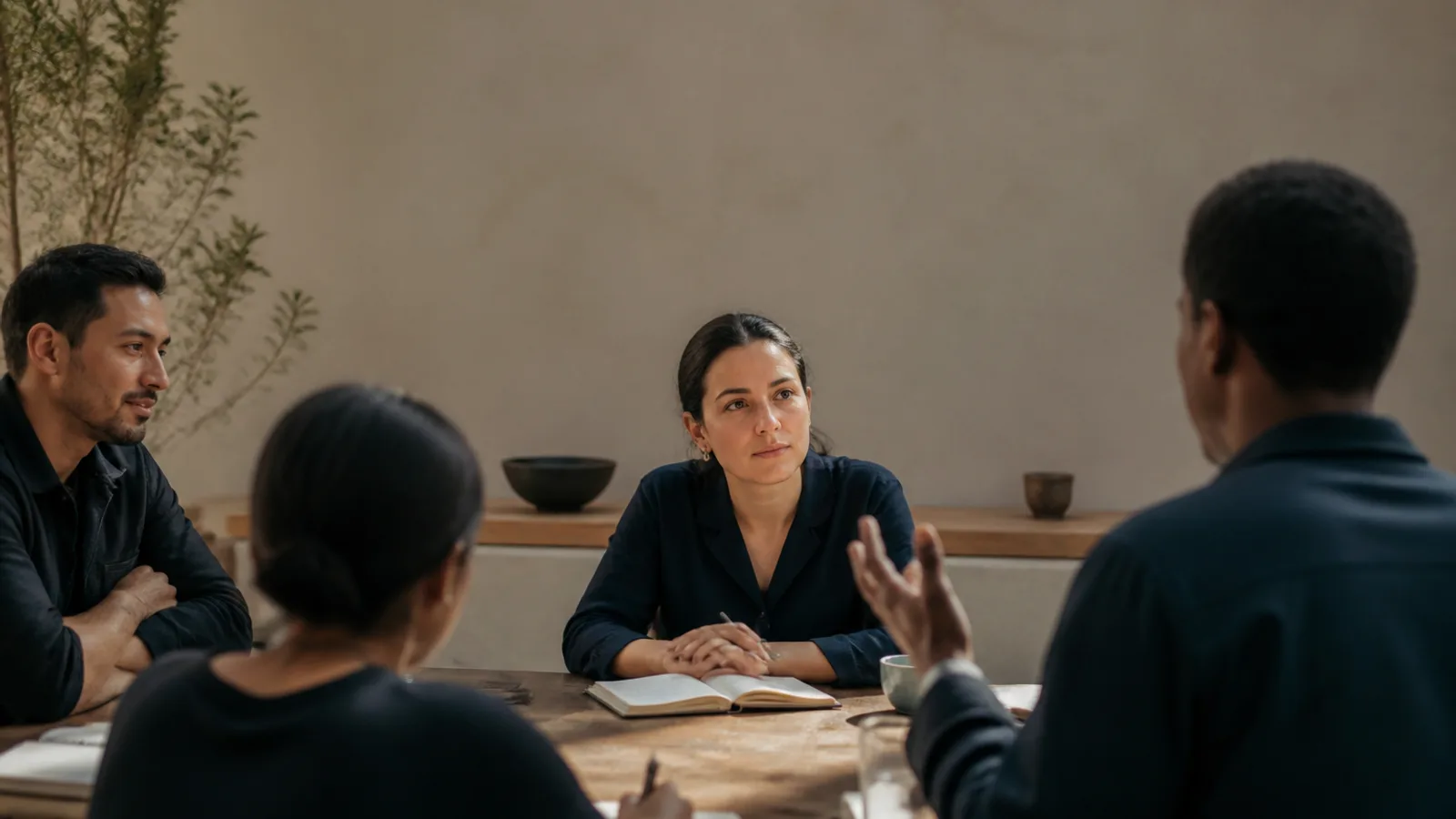
Leadership is not a performance because performances depend on conditions being right, and the moment real pressure enters a room, a performance cracks. Leadership that holds up is something practiced, repeatedly, in the actual hard moments, not something adopted once and displayed when convenient.
Why performed leadership breaks under pressure
For a long time, leadership got sold as something you perform: step into the role, adopt the right language, project competence and confidence, and people will follow. That story holds up fine when things are calm. It falls apart the moment stress enters the room, which it always eventually does, because a performance requires energy you don't always have and conditions you can't always control.
Leadership is not about how you look when things are going well. It's about who you are when things are hard. Most leadership breakdowns don't happen because someone lacks skill. They happen because someone is overloaded, distressed, stretched thin, operating on fumes, and skills applied from that state rarely land the way they're intended to.
You can know how to give feedback and still avoid the conversation. You can understand emotional intelligence and still react defensively the moment you feel threatened. You can genuinely value collaboration and still shut people down under pressure. Not because you're a bad leader. Because you're a human being under real pressure, and knowing a skill isn't the same as being able to access it.
Mindset matters more than method
Here's what I believe drives that gap: leadership starts with how you manage yourself before you attempt to manage anyone else. Skip that foundation, and everything built on top of it stays fragile. Communication turns reactive. Decisions get rushed. Relationships go transactional. Even the best intentions erode over time.
Mindset here doesn't mean positive thinking or a motivational quote. It's the internal stance you actually carry into a room, what you believe about yourself, about the people in front of you, and about what's happening right now. When that stance is anchored in worth and capacity, leadership stabilizes. When it's anchored in fear or self-protection, it narrows fast, and you can feel the shift happen in real time. Grounded, you listen differently and can hold complexity without rushing to control it. Not grounded, neutral feedback starts sounding like criticism and silence starts feeling like resistance. The problem stops being the situation. It becomes the state you're bringing into it.
Sustainable leadership is built through practice, not performance
Leadership development that skips this conversation tends to produce leaders who look polished but feel brittle. They perform well right up until they can't, and then they either burn out or harden, and neither one actually serves the people they lead.
Practice looks different. It means returning again and again to the same basic moves: noticing when you're tense, recognizing when a reaction is coming from stress rather than judgment, choosing to pause instead of push, repairing when you miss the mark instead of pretending you didn't. None of that looks impressive in the moment. It's quieter and slower than a performance. But it compounds. Trust deepens. Teams stabilize. People feel safe enough to actually tell you the truth.
The irony is real: leaders who stop trying to look like leaders often become far more effective ones. Leadership was never about having every answer. It's about creating the conditions where better answers can actually emerge, and those conditions start with the leader's own internal state, not their next framework.
Where this shows up in the actual work
This is the same regulation-before-mindset-before-skillset order that shapes every 1:1 leadership coaching engagement I run, and it's why Compassionate Accountability® is built around holding both directness and care at once instead of treating them as a trade-off leaders have to perform their way around.
Where to start
There's no finished version of this. No arrival point, just ongoing practice. If you're trying to figure out where that practice needs to start for you or for a leader on your team, get in touch and tell me what's actually going on. That's a better starting point than another framework.
Frequently asked questions
What's the actual difference between performing leadership and practicing it?
Performance is about how you look when things are going well. Practice is about who you actually are when things are hard. A performance depends on conditions being right and cracks under real pressure. A practice is built specifically for the moments when it's hardest to hold, which is exactly when it matters most.
Doesn't a leader need to project confidence even when they don't feel it?
There's a difference between steadiness and a mask. Projecting confidence you don't have tends to come across as brittle under real scrutiny. Being grounded, even while honestly working through uncertainty, reads as far more trustworthy than a performance that has to hold up perfectly or fall apart.
How do you actually build this kind of practice instead of just talking about it?
The same way any practice gets built, through repetition in real moments, not a single workshop. Noticing when you're tense. Pausing instead of reacting. Repairing when you get it wrong instead of pretending you didn't. It's slower than adopting a new framework, and it's the only version of this that actually holds up over time.